
 by Jacob Moore
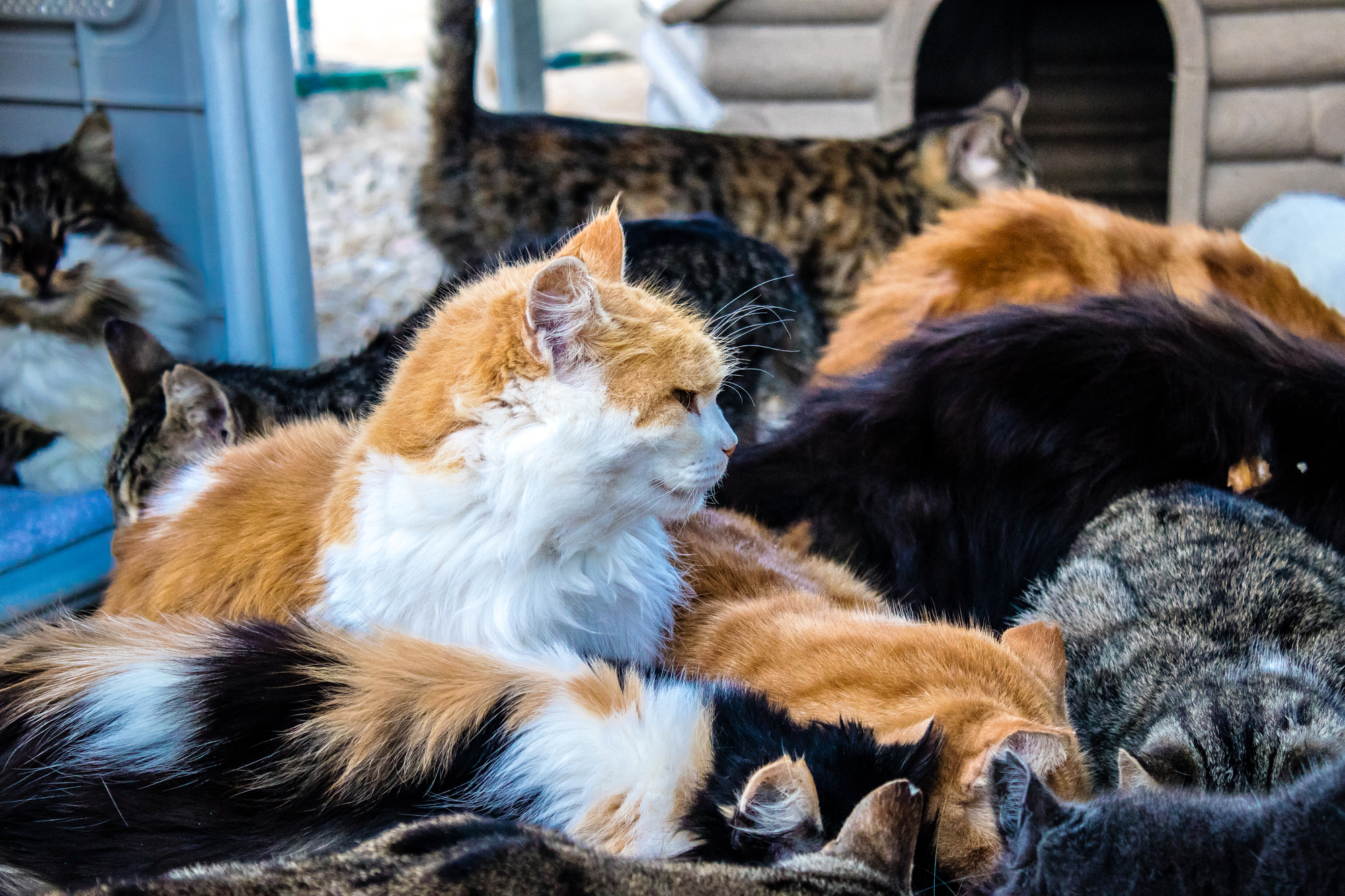
The SPCA says funding struggles has forced them to suspend their program to trap, neuter, and then return stray cats to where they were found.
They no longer have a dedicated funding partner, so they cannot offer the service at no cost to the caretakers and rescuers involved, according to Heather Woodin, chief of animal operations with the SPCA.
“It’s important to note that we’re pausing the program, and it’s not because the work’s not important. We certainly recognize the value of the work, but it’s because the current model of operations, really, it’s not financially sustainable anymore,” says Woodin.
Volunteers and other groups who have worked with the SPCA on the program got an email last week notifying them of the pause.
Since the program began in 2016, they have helped thousands of cats. But the amount each year depends on funding and resources, like volunteers who are willing to go out and trap the animals.
Historically, they have had funding for half of the program, but now the cost to run it has ballooned beyond $180,000 a season, typically outside of the winter months, because it is dangerous to release cats into the snow when they have recently had surgery.
The majority of those expenses are now falling onto the SPCA, according to Woodin. She says the trap-neuter-return program does not get government funding, although other SPCA programs do, including their investigation services.
Prices rising across the board
With inflation, Woodin says it is just one thing after another.
“The costs of medications and providing veterinary care has gone high as well. So we’re experiencing cost increases from all aspects of our programs,” says Woodin.
They are exploring options, like whether they can get enough donations, ways to make the program more sustainable.
“Because the way we’re looking at it now and the efficiency now, it is not sustainable to help this number of cats with the funding, with the increased and expenses to offer this program.”
Vehicle a key challenge
They purchased the mobile clinic in 2016, which they use to neuter the cats in the program, and that was only possible because of a bequest, a type of donation, from Dr. Susan Roberts and Eleanor Dyke.
Woodin says most of the stray cats come from rural areas.
Now their goal is to get funding so that they do not have to take away from other programs to support the trap-neuter-return service.
“It requires strong community partnerships and support to help this program continue to operate to tackle cat population issues and to continue to maintain some of the successes we’ve been able to achieve with this program.”