
 by admin
A new report looking at the labour markets of the Thunder Bay, Kenora, and Rainy River districts shows that the economic challenges facing the region will continue to grow.
The report, published by the North Superior Workforce Planning Board (NSWPB), highlights low population growth, an approaching wave of retirements, and a demand for skilled labour that has outpaced supply.
The report is not all negative, however, as the population of young graduates is still growing, and employment opportunities in several key sectors are readily available.
Northwestern Ontario boasts a low unemployment rate of 4.8 per cent, compared to 7.7 per cent rate province-wide and a 6.8 per cent rate across Canada.
But a low rate of job-seekers is somewhat offset by the region’s lower labour participation rate: Just 61.1 per cent of working-age persons are either in a job or seeking one, relative to a rate of about 65 per cent provincially and nationally.
The labour report shows that the most significant employers in the region are in healthcare, followed by social assistance, education, and administration.
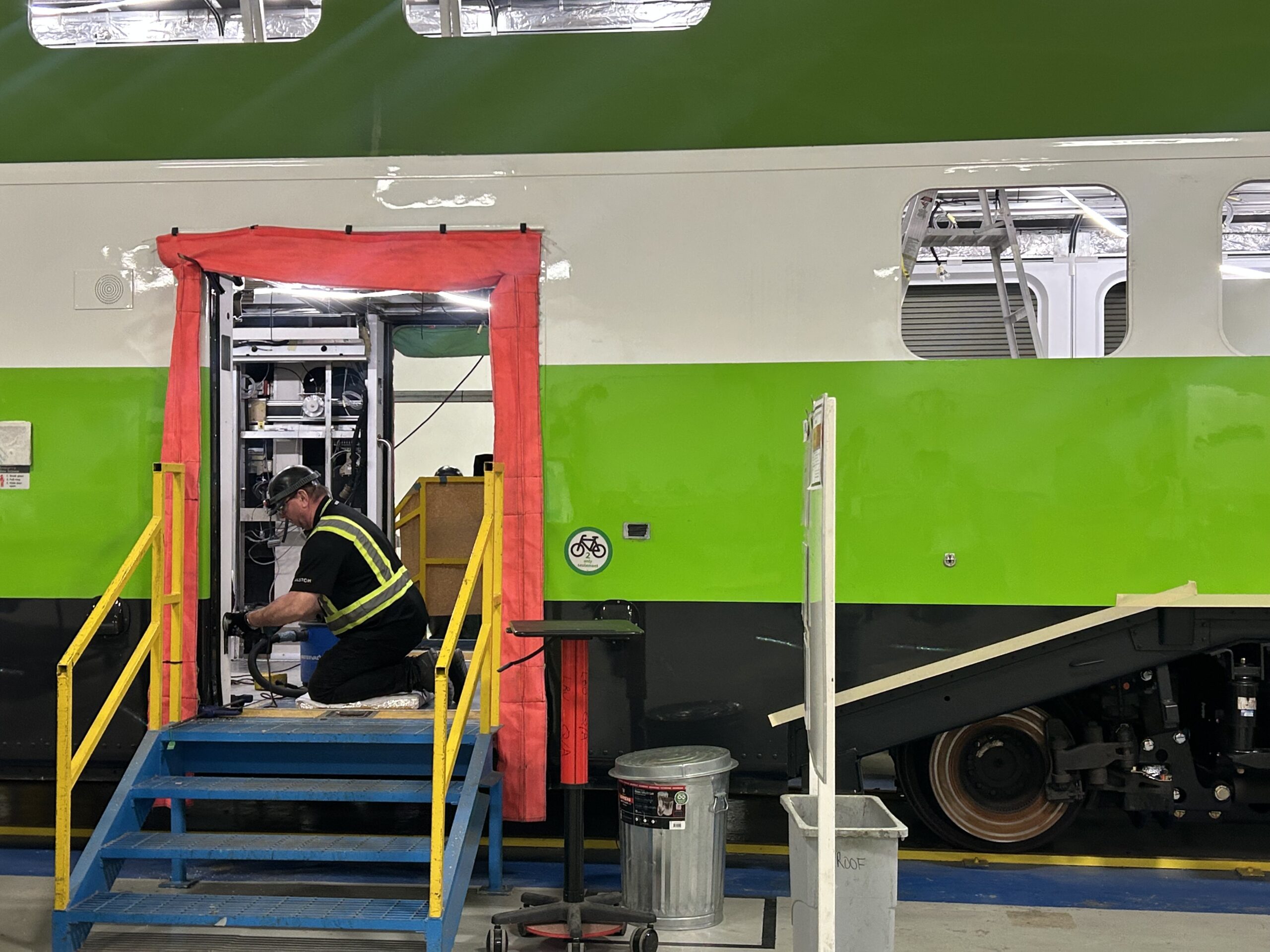
Some of the fastest-growing sectors with the highest demand for new workers are the skilled trades, with construction and mining among the most notable.
Demographic changes
Across the region, employers experience more than 5000 job vacancies each quarter, showing the extent of the labour shortage.
This labour shortage is costing the region about $700 million in GDP (Gross Domestic Product), according to the report.
The problem is not expected to stall any time soon: over the next decade, about one-fifth of the region’s workforce will reach retirement age, and young workers, making up a smaller share of the population, will not be able to replace all of the outgoing positions.
In 2025, the region’s population increased by about 0.27 per cent.
However, over the next decade, the region’s population is expected to shrink by 0.4 per cent, with the largest losses in the Rainy River District.
The population of young people is still growing: In the next ten years, the number of youth leaving school will increase from about 5,900 to about 6,500.
The most significant growth rates in the young population are coming from the region’s Indigenous communities, but the unemployment rate for the Indigenous population is disproportionately high at 11 per cent.
The report argues that job training and workforce pathways for Indigenous communities can help match the growing young Indigenous population with employers desperate for skilled workers.
It also suggests that immigration is a significant piece of the solution, saying that the region will require 2000 net migrants every year to maintain its workforce.
Currently, the region absorbs a significantly smaller number of migrants.
Beyond this, another challenges is that newcomers to the region are not always willing to stay, either due to a lack of housing, a lack of supports for settling in a new place, or underemployment.
In Thunder Bay, the Rural Community Immigration Pilot is attempting to come up with solutions to poor migrant retention, but this does not currently apply in the Rainy River or Kenora districts.
No silver bullet is offered in the report to solve the region’s demographic changes, but it does offer options: a combination of more easily accessible education and job training, and more incentives for keeping migrants in the region could help turn things around.
The full report can be viewed online.