
 by Alex Allan
The federal government is projecting a $78.3‑billion deficit in its 2025 budget, nearly double what was forecast less than a year ago.
Prime Minister Mark Carney’s first budget, titled Canada Strong, was tabled Tuesday and centres on what the Liberals describe as “generational investments” in infrastructure, housing, defence and productivity.
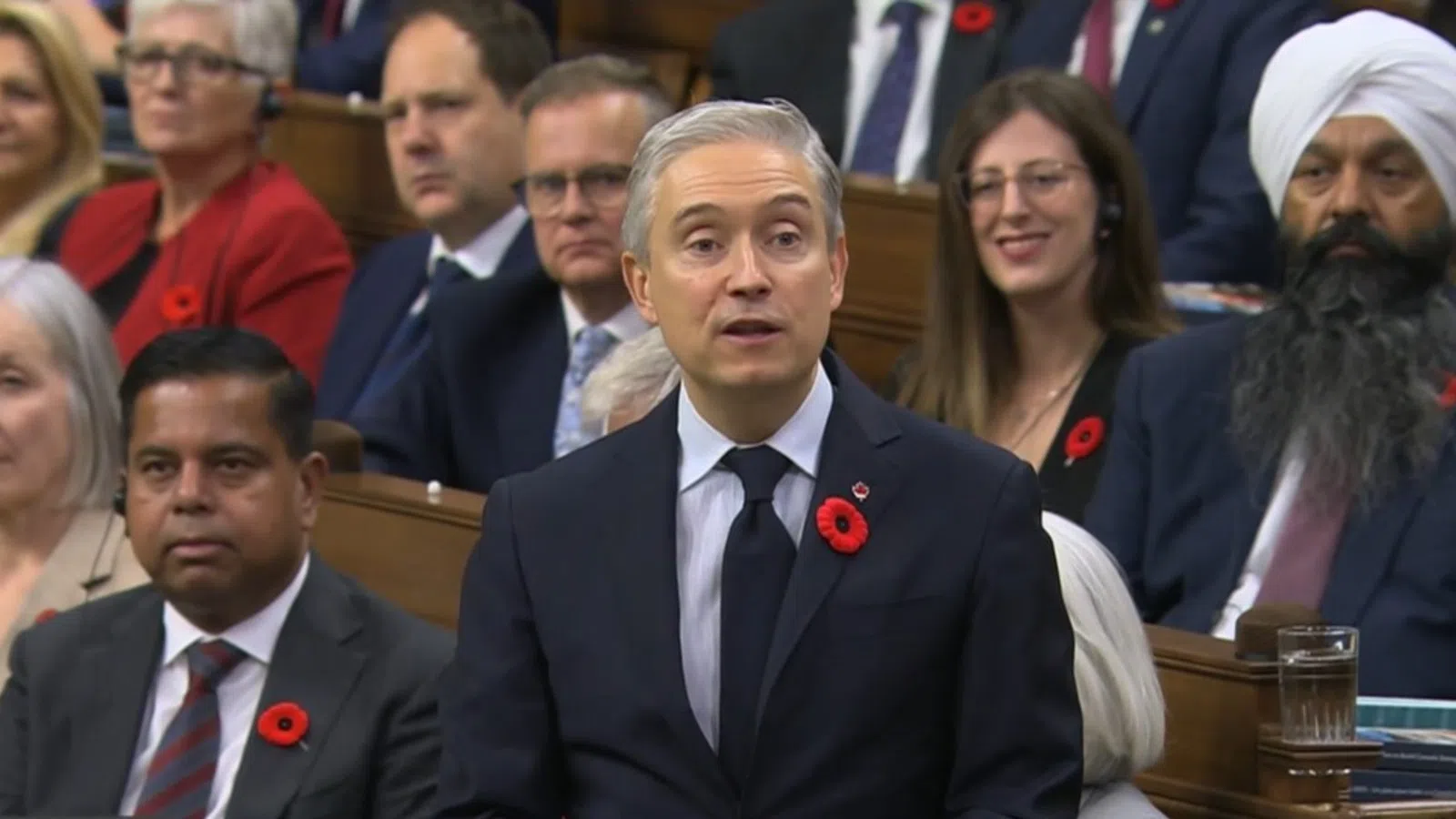
Finance Minister François‑Philippe Champagne told the House of Commons the budget comes at “a time of profound change” and said the government chose to invest in the country’s future rather than cut programs.
“Balancing the budget this year would mean eliminating vital social programs and the capital investments needed for Canada’s future,” he said.
Champagne emphasized that Canadian workers are essential to the government’s strategy. He highlighted support for key industries, including aluminum, automotive, lumber, and agriculture.
Additionally, he announced a new “Buy Canadian” policy, stating that federal procurement will prioritize domestic suppliers whenever possible.
Champagne explained Canada’s fiscal position, with the lowest net debt‑to‑GDP ratio in the G7, allows Ottawa to make long‑term investments while protecting programs such as child care, dental care and pharmacare.
The budget introduces a capital budgeting framework that separates day‑to‑day spending from long‑term investments and sets out $60 billion in savings over five years through reduced operating costs.
Champagne said the government will “spend less so we can invest more,” while maintaining essential services.
He said the plan will direct $280 billion in capital spending over five years, focusing on housing, infrastructure, defence and productivity.
On housing, Champagne described the plan as the most ambitious since the Second World War.
With the Liberals holding a minority in the House of Commons, the budget will serve as a key political test in the days ahead.
More to come…