
 by admin
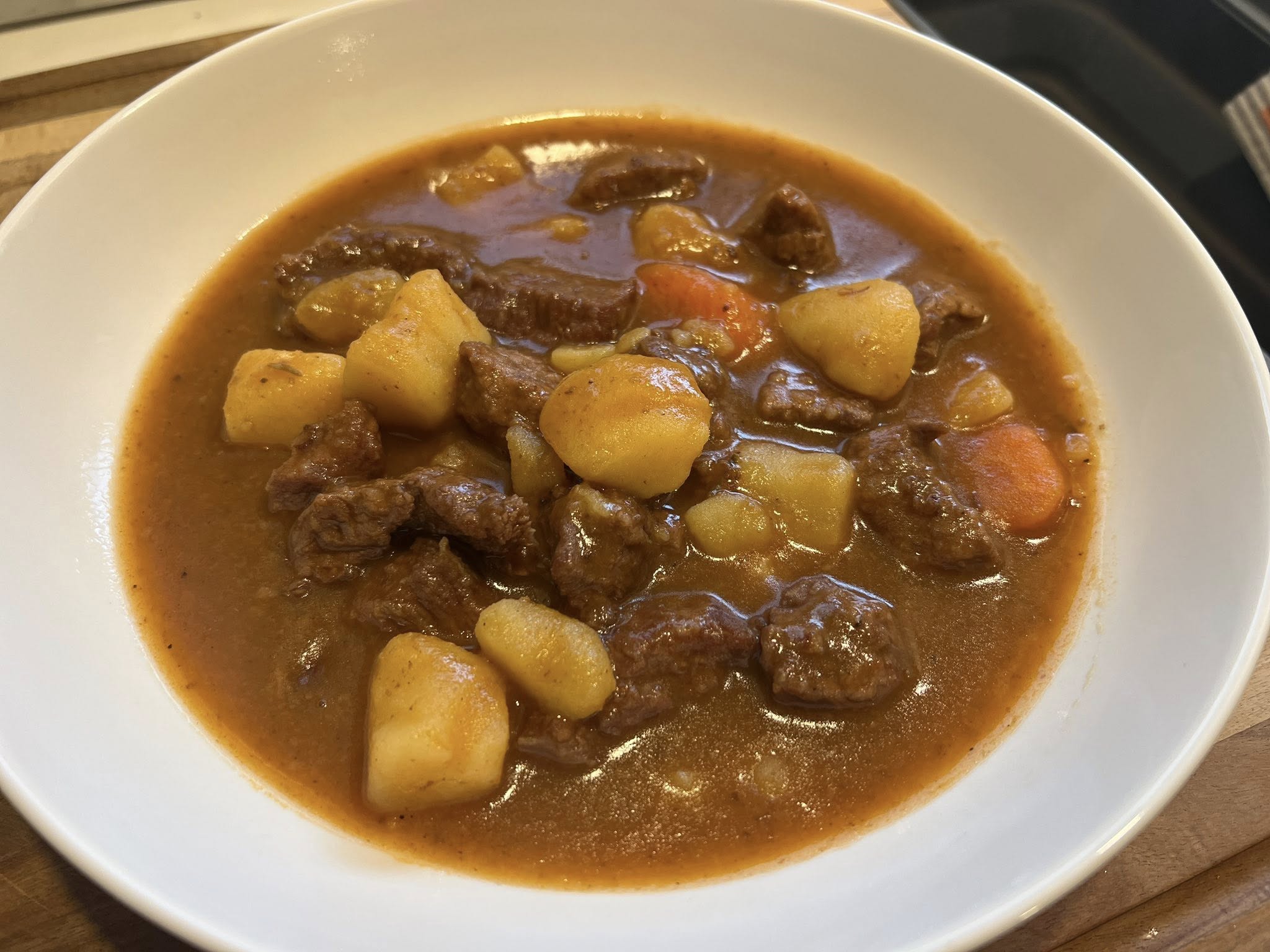
You know that feeling when the wind off Lake Superior hits you sideways and you suddenly understand why every Thunder Bay grandma keeps a stockpot the size of a small barrel? That’s stew weather.
Where Stew Actually Comes From
Stew is one of the oldest cooking methods humans ever invented. Long before recipes, measurements, or Dutch ovens, people were tossing meat, roots, and herbs into a pot and letting it bubble over a fire. Every culture has its own version:
- Indigenous communities across North America simmered game with wild vegetables and herbs.
- Europeans brought variations like Irish stew, French boeuf bourguignon, and British beef-and-ale stews.
- Caribbean and African stews introduced spices, peppers, and slow-cooked richness.
Stew is basically the universal language of “it’s cold, let’s fix that.”
Why Stew Hits Different in Canada
Canada took stew and said: Let’s make it heartier, warmer, and built for minus‑30. Across the country, you’ll find:
- Prairie stews with barley and root vegetables
- Québécois ragout with warming spices
- Coastal stews with fish, mussels, or lobster
- Northern stews using game meats like moose or venison
Old‑Fashioned Beef Stew
Base Ingredients
- 2 pounds beef chuck, cubed
- 2 tablespoons flour
- 2–3 tablespoons oil
- 1 large onion, chopped
- 2–3 garlic cloves, minced
- 2 tablespoons tomato paste
- 4 cups beef broth
- 3–4 carrots, chunked
- 3–4 potatoes, chunked
- 2 bay leaves
- 1 teaspoon thyme
- Salt + pepper
INSTRUCTIONS:
1. Prep and season the beef
Pat the beef cubes dry with paper towels — this helps them brown instead of steam. Season generously with salt and pepper, then toss lightly in flour until each piece is coated. Shake off excess.
2. Brown the beef in batches
Heat oil in a heavy pot or Dutch oven over medium‑high heat. Add a single layer of beef (don’t crowd the pot) and sear on all sides until deep brown. Transfer browned pieces to a bowl and repeat with the remaining beef. This step builds the stew’s foundation — don’t rush it.
3. Sauté the aromatics
Reduce heat to medium. In the same pot, add the chopped onion and cook until softened and lightly golden, scraping up any browned bits. Add the garlic and cook for another 30 seconds until fragrant.
4. Add tomato paste and deepen the flavor
Stir in the tomato paste and cook for 1–2 minutes. You want it to darken slightly — that caramelization adds richness and color.
5. Add flour to form a roux
Sprinkle in a spoonful of flour and stir until everything is coated. Cook for 1 minute to remove the raw flour taste. This will help thicken the stew later.
6. Deglaze and build the broth
Pour in a splash of broth or wine and scrape the bottom of the pot with a wooden spoon. All those browned bits dissolve into the liquid — that’s pure flavor. Add the rest of the broth and stir well.
7. Add vegetables and herbs
Return the browned beef (and any juices) to the pot. Add the carrots, potatoes, bay leaves, and thyme. Stir everything together so the vegetables are nestled into the liquid.
8. Simmer low and slow
Bring the pot to a gentle simmer, then reduce heat to low. Cover and cook for 1½ to 2 hours, stirring occasionally. The stew is ready when the beef is fork‑tender and the broth has thickened into a glossy gravy.
9. Final seasoning
Taste and adjust with salt, pepper, or a splash of Worcestershire if you want more depth. If using peas, stir them in during the last 5 minutes so they stay bright and sweet.
10. Rest before serving
Turn off the heat and let the stew sit for 10 minutes. This helps the flavors settle and the gravy thicken even more.
Optional Add‑Ins
- ½ cup red wine
- 1 tablespoon Worcestershire
- 1 cup peas
Canadian Variations You Can Try
This is where you get to have fun — and where the stew becomes uniquely yours.
1. Thunder Bay Cabin Stew
Perfect for those deep‑winter nights.
- Add parsnips and rutabaga
- Swap half the broth for dark beer
- Finish with a splash of maple syrup for depth
2. Northern Wild Game Stew
If you’ve got hunters in your circle, this one’s a classic.
- Replace beef with moose, venison, or elk
- Add juniper berries
- Use wild rice as a side or stir it in at the end
3. Prairie Barley Beef Stew
A nod to the Prairies, but perfect anywhere.
- Add ¾ cup pearl barley
- Increase broth by 1 cup
- Add celery for extra texture
4. East Coast Maritime Stew
For seafood lovers.
- Swap beef for firm white fish or salmon
- Add corn and cream
- Finish with fresh dill
5. Vegetarian Canadian Comfort Stew
Still hearty, still cozy.
- Replace beef with mushrooms and lentils
- Add sweet potatoes
- Use vegetable broth and a splash of soy sauce for umami
Why This Stew Belongs in Thunder Bay
Because when the temperature dips and the snowbanks get taller than your car, you need something that:
- Warms your hands
- Fills your house with that slow‑simmer smell
- Feeds you for days
- Makes you feel like winter isn’t winning
Stew is survival food, comfort food, and community food – all in one pot. Hope you enjoy!