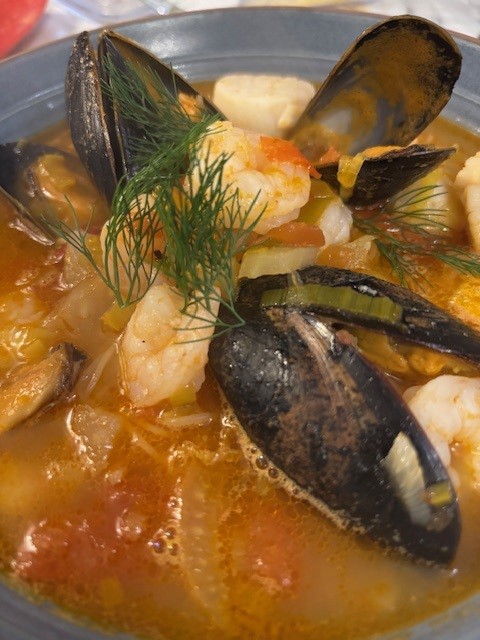
 by admin

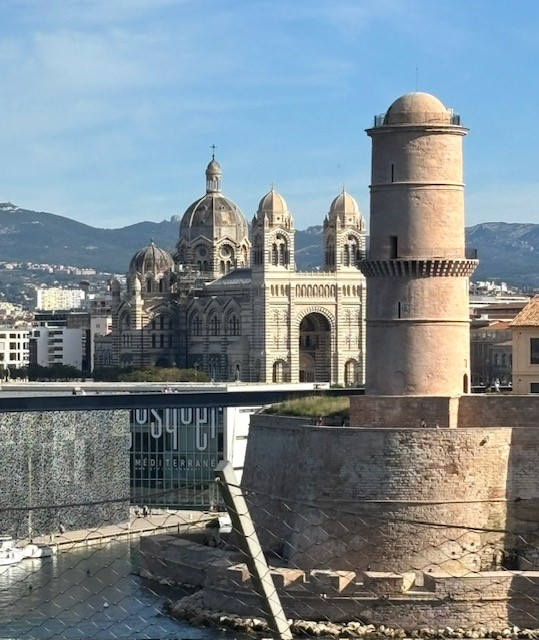
Bouillabaisse has always been a dish tied to place, but for me it became something more personal after a visit to Marseille in 2024. Long before that trip, I knew it as a famous French seafood stew usually reserved for special restaurant menus. But tasting it where it was born, within sight of the boats that brought in the catch, changed it entirely. It stopped being just a recipe and became a memory.
Since that trip, bouillabaisse has quietly become one of my favourite special-occasion dishes. While it sounds like a pretentious meal, it actually has very simple roots and with some precise timing, is quite easy to put together.
Bouillabaisse is more than a seafood stew; it is a culinary staple of the French Mediterranean, rooted in the daily lives of coastal fishermen and shaped by centuries of trade, migration, and necessity. Its story begins in the ancient port city of Marseille, one of Europe’s oldest continuously inhabited settlements.
The origins of bouillabaisse trace back to the working fishermen, who prepared the dish using bony, unsellable rockfish. Rather than waste this catch, they simmered it in seawater with herbs and whatever aromatics were available. The name itself is said to come from the Provençal words bolhir (to boil) and abaissar (to lower), referring to the cooking method: bring the broth to a rapid boil, then reduce the heat to let it simmer.
Sometimes. the most meaningful dishes aren’t always the most elaborate, but the ones tied to a story — a trip, a table, or a particular afternoon when everything just tasted new.
Bouillabaisse
2 tbsp olive oil
2 tbsp butter
2 cups slice leeks
1 cup sliced fennel
4 finely chopped garlic cloves
2 tbsp tomato paste
2 large tomatoes chopped
1 tbsp thyme
1 pinch saffron
rind of one orange
1 bay leaf
4 cups seafood stock
1 pound any white fish chopped into pieces
1 pound clams and/or mussels
½ pound scallops
½ pound medium sized shrimp
½ teaspoon salt
¼ teaspoon pepper
Fennel leaves for garnish
- Bring a large Dutch oven to medium heat and add olive oil and butter.
- Once melted, add the sliced leeks and fennel and sauté until softened and fragrant about 2-3 minutes.
- Add the chopped garlic and sauté for another minute. Stir the tomato paste into the garlic for another 30 seconds.
- Add the chopped tomatoes, with their juices along with the saffron, and give everything a good sauté for another 3-4 minutes until the tomatoes begin to soften and release their juices.
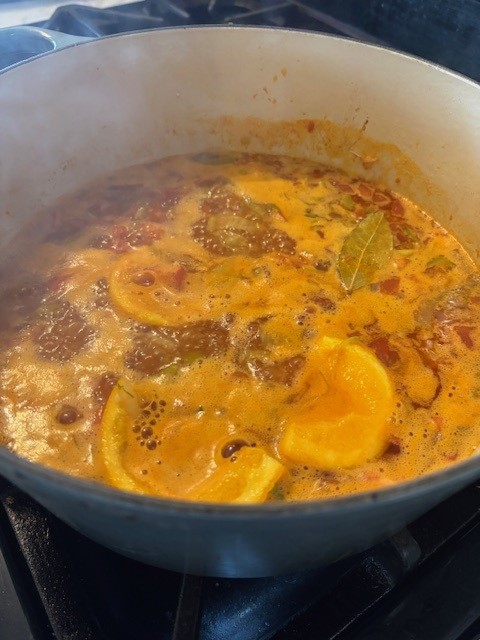
- Pour the seafood stock, thyme, bay leaf and orange peel. Simmer for 15-20 minutes.
- Start adding your sea food- FYI- after you start adding the seafood, you’re ready to eat in about 15 min- don’t overcook- your seafood will become rubbery.
- While simmering, add the white fish that take longer to cook and simmer for 3-4 minutes.
- Next, add the mussels and clams and and continue cooking for another 3-4 minutes.
- Then add scallops and continue cooking for another 2-3 minutes and finally, add the shrimp and continue cooking for another 2-3 minutes until the shrimp are just cooked through. At this point, the fish should be cooked through and mussels and clams just opened. (Discard any mussels and clams that have not opened)
- Remove the bay leaf and orange rind and pull the bouillabaisse off the heat heat
- add more seasoning to your taste
- Garnish with fennel fronds
Saffron is a classic flavour in this dish and has a very distinct flavour. If you’d like to try this stew and don’t have saffron- I have made it without it and it was very delicious!