
 by admin
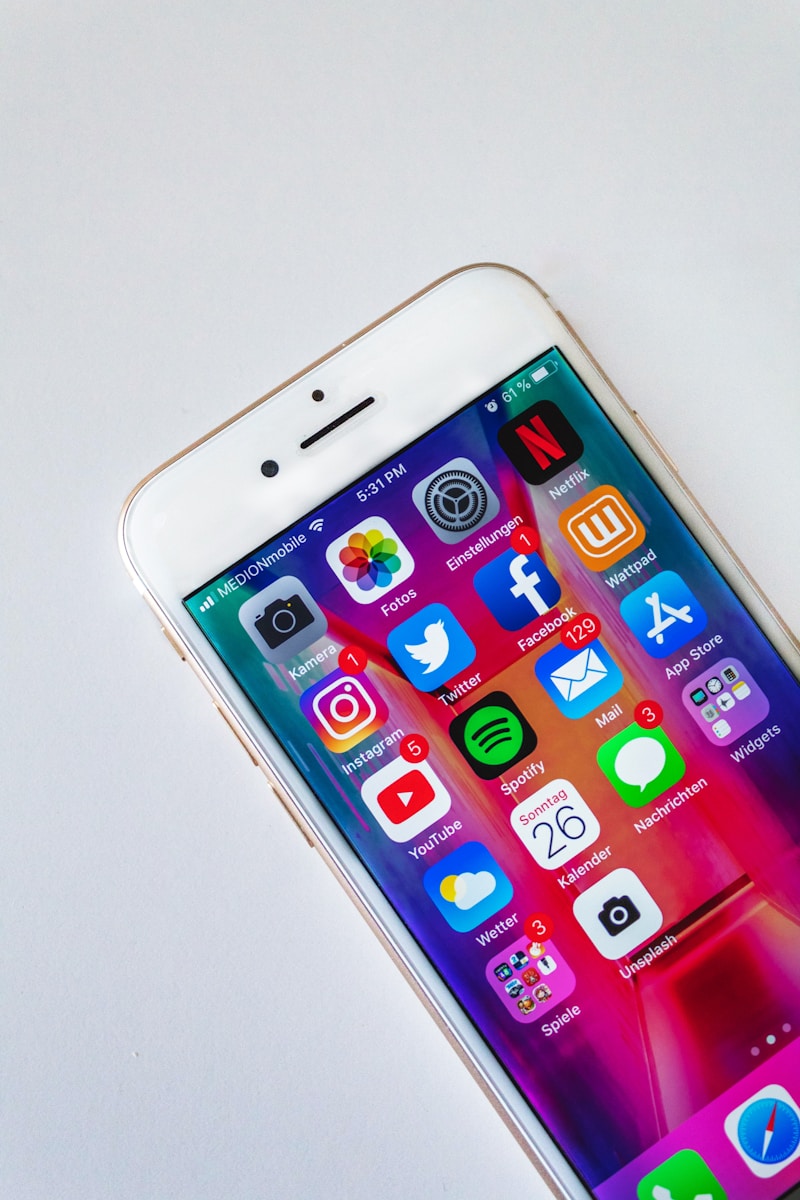
On this week’s Mornings in the Bay, resident mental health expert Linda Kelly of Kelly Mental Health joined John and Danny to talk about something many of us know all too well—doom scrolling. What started as a lighthearted chat about Danny missing the final match of the Montana’s Brier because he spent three straight hours on TikTok quickly turned into a meaningful conversation about why we get trapped in endless feeds and how it affects our well‑being.
Danny admitted he’s often glued to “puppies, food videos, and people dancing,” but the scrolling doesn’t stop there. “I missed the final. I felt horrible afterwards,” he said. And he’s far from alone.
What Exactly Is Doom Scrolling?
Linda explained the difference between harmless scrolling and the darker side of digital consumption: “Doom scrolling is when it actually affects you negatively, where you’re kind of going down… a lot of negative cynicism… people can get really depressed. It can be a really bad thing.”
Research strongly backs up Linda’s point. Harvard Health notes that constant exposure to distressing information can fuel chronic stress and anxiety, describing doom scrolling as “an insidious threat to our minds and bodies”—especially when our brains are locked into scanning for danger. [health.harvard.edu]
A 2026 scoping review also found consistent links between doom scrolling and anxiety, depression, emotional exhaustion, and reduced resilience, emphasizing how algorithm‑driven platforms keep users trapped in negative cycles.

It’s Not Your Fault—Apps Are Designed This Way
One of Linda’s most reassuring points is that this behavior isn’t simply a lack of willpower:
“They’re built to be addictive… quite literally built to make us spend all the time on those apps.”
Studies echo this. Platforms rely on infinite scrolling, algorithms, and emotionally charged content to keep users hooked—especially at night, when we’re most vulnerable to emotional fatigue. Mayo Clinic research notes that doom scrolling can start as a normal attempt to stay informed but quickly becomes “a never‑ending loop” of negativity that worsens mood and drains time.
The Real Cost: Missed Moments and Strained Connections
The biggest red flag, Linda says, isn’t the time wasted—it’s what we lose instead.
“It’s not really a problem until you start having negative consequences… like missing things that are important.”
She highlighted a scenario every parent should hear: “Your kid walks into the room and they start feeling like you don’t even make eye contact… if it becomes a pattern, that’s a negative consequence.”
Psychology Today also reports that doom scrolling can significantly lower life satisfaction, worsen sleep, and elevate stress—effects that ripple into family dynamics and emotional availability.

So How Do You Break the Cycle? Linda’s Practical Tips
When John asked how people can turn things around, Linda offered clear, doable steps:
1. Recognize the true cost.
“Most people undervalue the cost of their time, energy, attention, and resilience.” Acknowledge what you’re trading away each time you sink into your feed.
2. Change the environment.
If evenings are your danger zone, consider charging your phone in another room or using app timers.
3. Fill the space with something that aligns with your values.
“Take time away and try something different… something that aligns with your values.” It’s not just about stopping a bad habit—you need to replace it with a meaningful one.
4. Notice emotional cues.
If scrolling leaves you anxious or hopeless, your feed may need a reset.
5. Protect connection.
Make eye contact. Put the phone down when someone walks into the room. The small moments add up.
A Better Digital Balance Is Possible
By the end of the conversation, Danny felt relieved, even hopeful. Linda reminded him, “Your family still loves you. You still talk to them. You’re good.” Small changes can have a big impact—and as Linda says, a little “happy scroll time” is fine as long as it doesn’t replace the important parts of your life.
For more mental health insights or to book an appointment, visit kellymentalhealth.com.