
 by admin
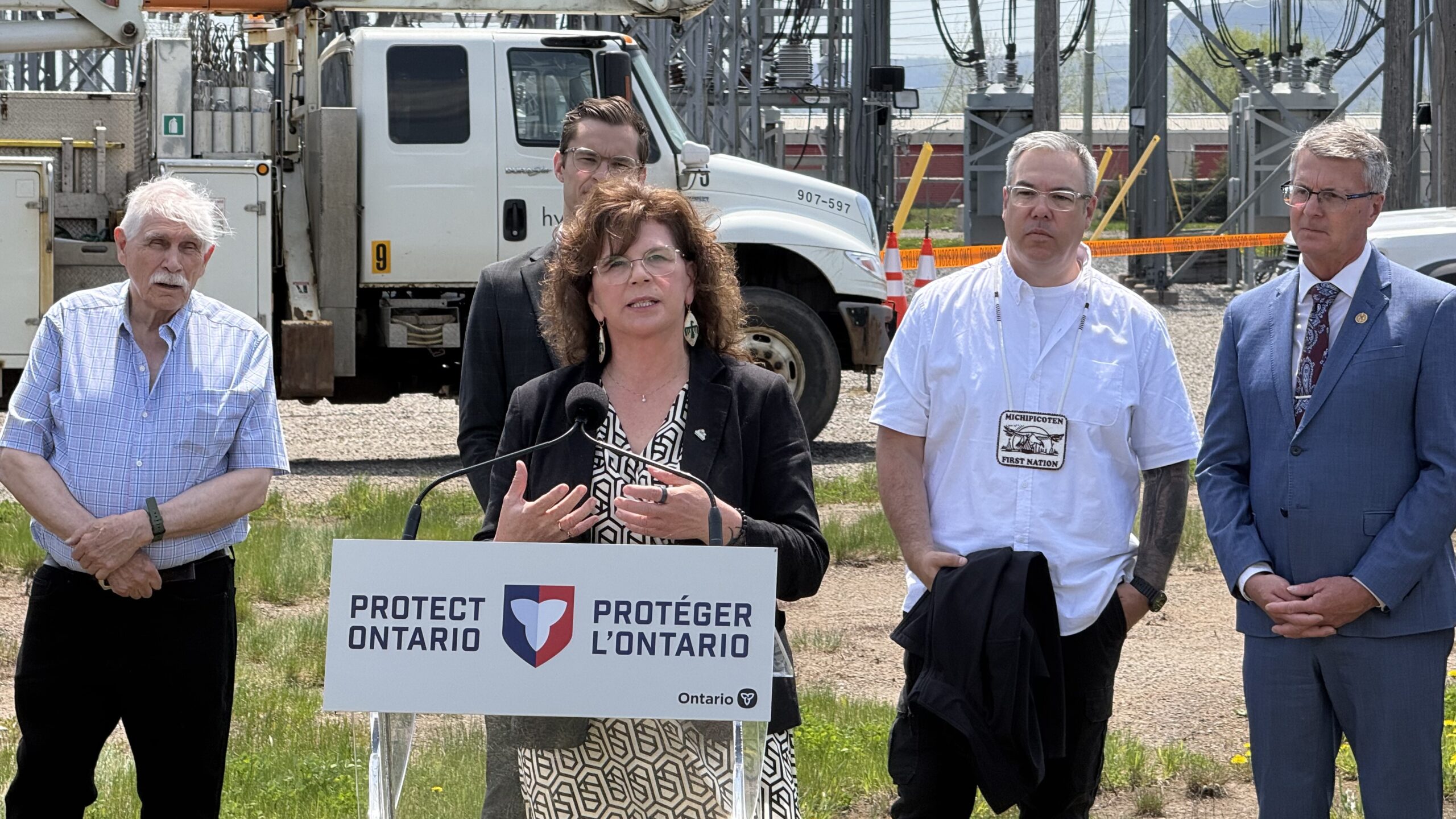
Six First Nations along the shores of Lake Superior are upping their stake to 20 per cent in the East-West Tie Transmission Line running from Wawa to Thunder Bay.
The six nations, together making up Bamkushwada Limited Partnership (BLP), formerly owned just a 3.5 per cent stake in the line.
The six BLP nations are Michipicoten First Nation, Red Rock Indian Band, Biigtigong Nishnaabeg, Pays Plat First Nation, Netmizaaggamig Nishnaabeg, and Fort William First Nation.
A $75 million loan from Canada life, guaranteed through the Indigenous Opportunities Financing Program, will fund the increased equity stake.
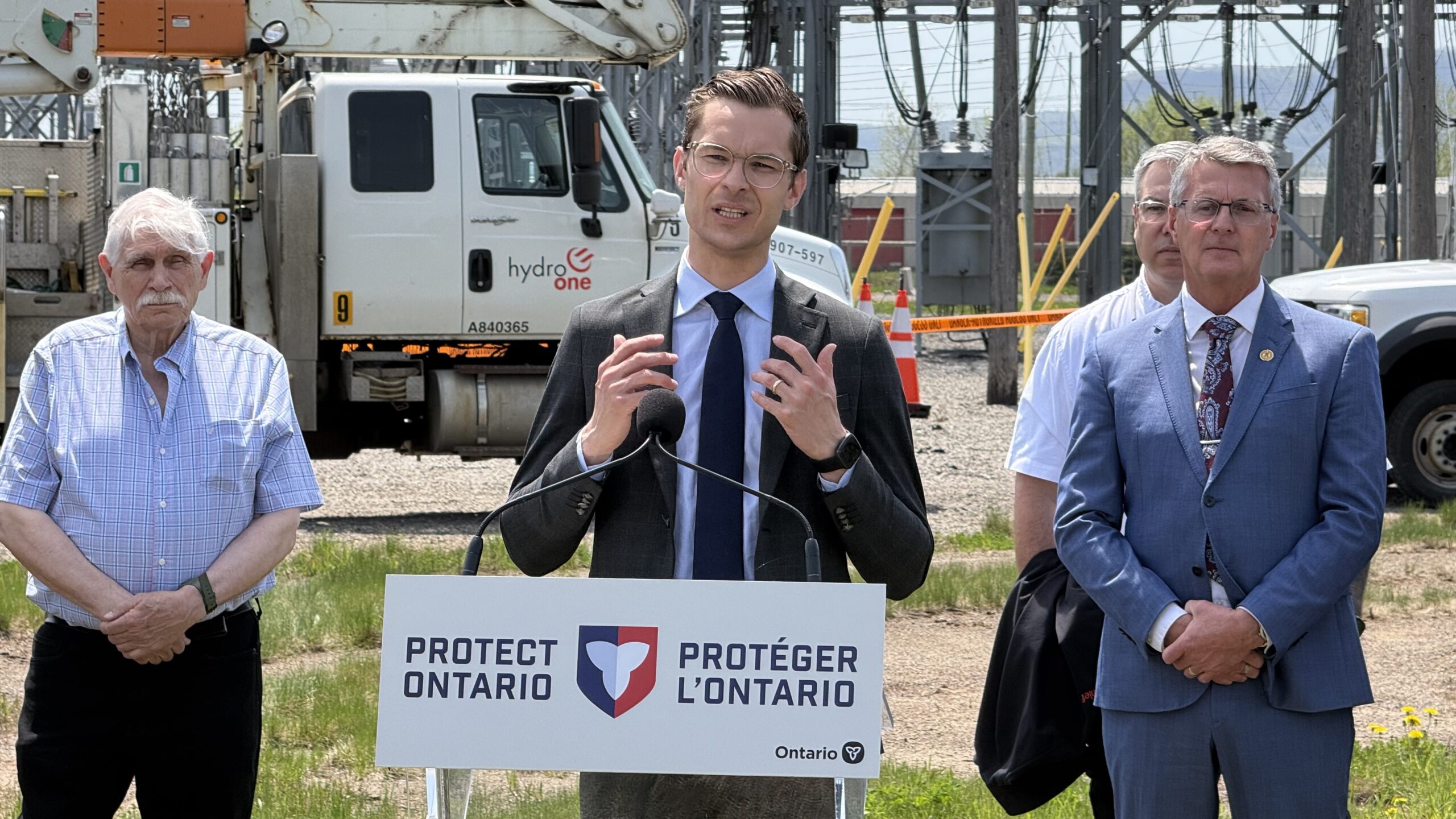
Associate Minister of Energy-Intensive Industries Sam Oosterhoff was in Thunder Bay to announce the news on Friday, explaining that the province has “been laser focused on building strong and stable partnerships with Ontario’s First Nations to support shared prosperity — economic partnerships.”
Oosterhoff says the increased stake will offer BLP’s nations a consistent source of revenue, and characterizes the move as a form of economic reconciliation that will allow Indigenous communities to benefit long-term from developments in Ontario’s energy sector.
Indigenous Equity
The provincial government has increasingly pushed for greater Indigenous ownership of energy infrastructure as a key pillar of its model for engaging with local communities as it builds out its power grid.
From 2022 onward, large Hydro One projects are offering local Indigenous communities up to 50 per cent ownership in energy infrastructure projects such as the Waasigan and Red Lake Transmission Lines.
But the line connecting Wawa to Thunder Bay began construction in 2019, before the Hydro One’s new equity partnership model was implemented.
Chief Duncan Michano of Biigtigong Nishnaabeg explains that BLP had always intended to own 20 per cent of the East-West Tie Transmission Line, but costs “went up substantially over the life of the project,” which was built during the COVID-19 pandemic years of high inflation.
Michano says First Nations are put in a difficult financial situation, as they often have challenges raising revenue, but simultaneously have more responsibilities than municipalities.
“We look after everything, right from roads and sewer to health care and social issues,” he says.
Michano argues that communities which are doing well have access to revenue sources “over and above those inadequate revenues we get from governments.”
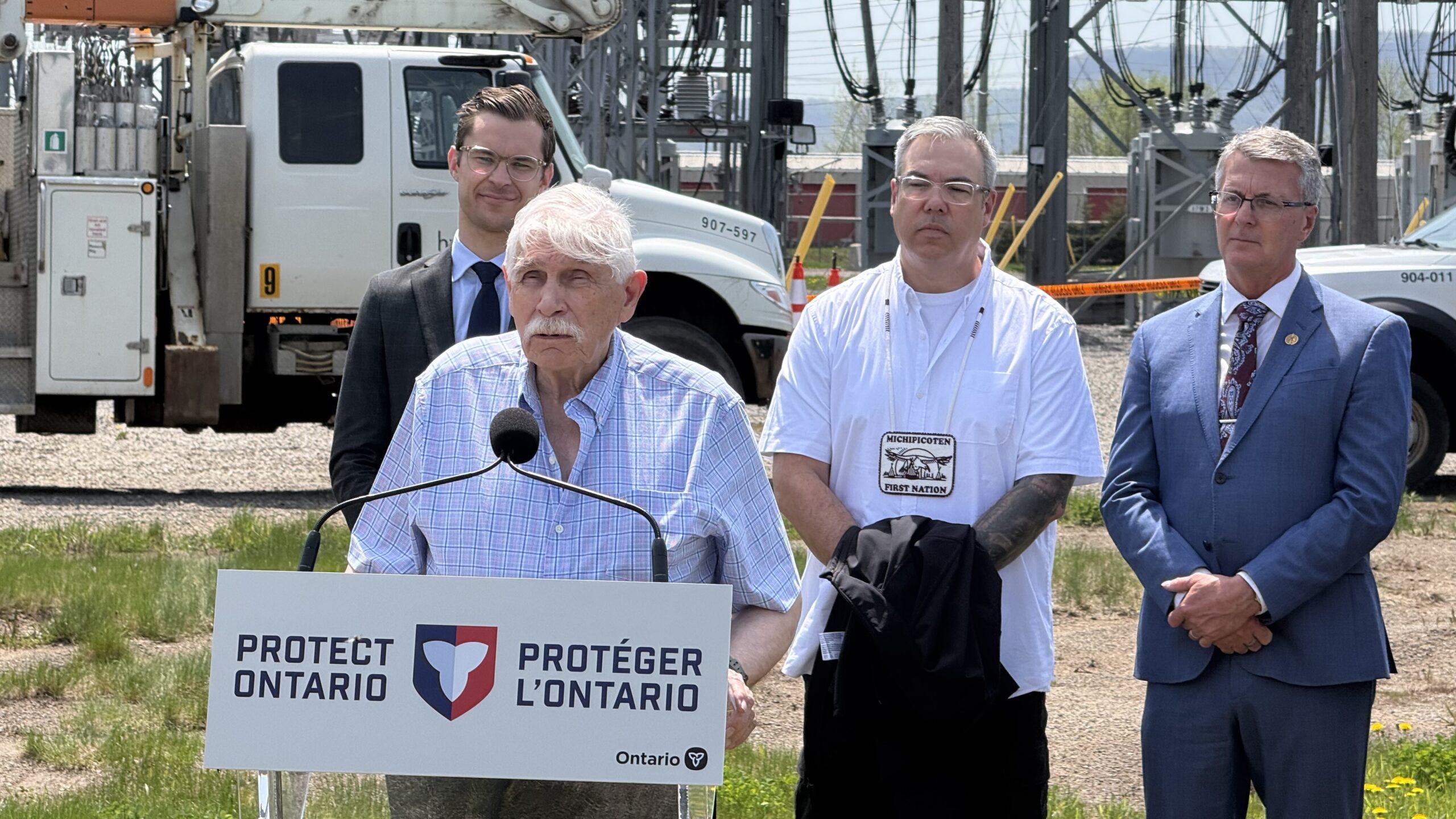
Increasing BLP’s ownership stake in the transmission line from 3.5 to 20 per cent will greatly aid the communities in raising revenues in the long-term, but Chief Michele Solomon of the Fort William First Nation says the chiefs involved in the project will be looking to increase their equity stake further going forward.
“We don’t want 20 per cent, we don’t want 3 per cent, we want 50 per cent. So that needs to be made clear,’ says the chief. “We want to be full equity partners in this project.”
The six BLP nations will be on the hook for the $75 million loan, and will have to pay it off before their revenues can truly be put towards projects in their communities, making the fruits of the increased equity stake seem far-off, but Solomon says the benefits “will eventually make it back to the community.”
She says the increased stake of 20 per cent is still an achievement, and will be a great help to the involved First Nations.
“It increases our economic possibilities for our communities… if you have your own source of revenue, that can increase your ability to build homes, build infrastructure in the community, and build things that make our communities healthier places and greater places to be.”