
 by admin

Few live performances carry the cultural weight of the Super Bowl halftime show. It’s part concert, part spectacle, part national mood ring — and every year, it sparks debate, nostalgia, and the occasional firestorm. As the NFL continues to evolve its entertainment strategy, it’s worth looking back at how we got here… and who might be next.
The Early Years: Marching Bands and Americana
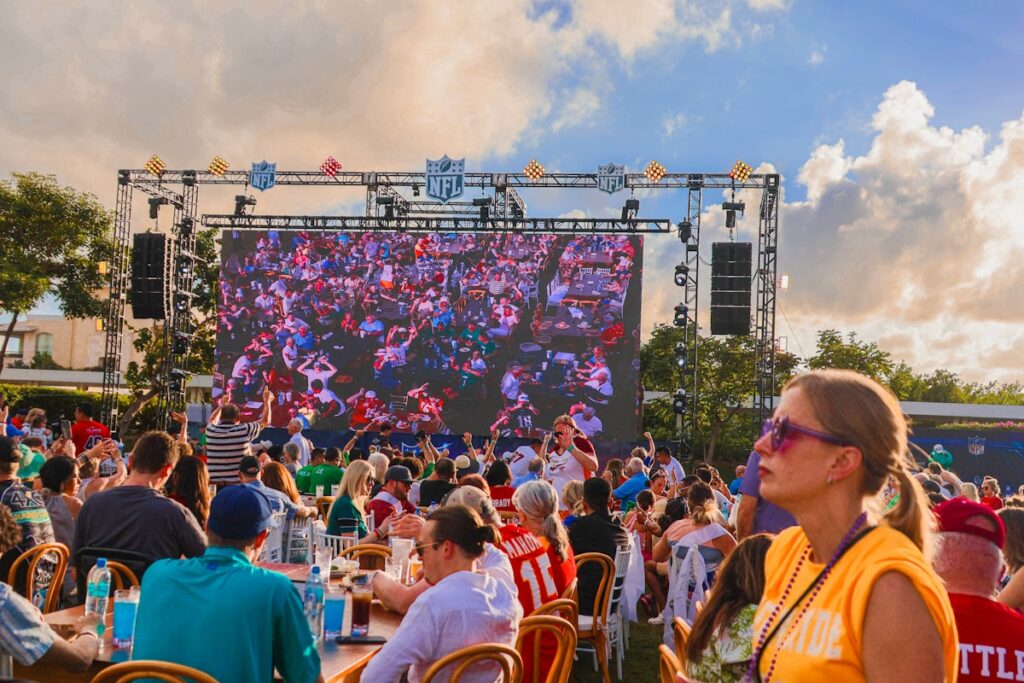
Before the halftime show became a global pop showcase, it was a simple.
- University marching bands
- Patriotic medleys
It wasn’t flashy, but it fit the era — wholesome, safe, and very “network TV.”
The 1990s: The Pop Era Begins
Everything changed in 1993 when Michael Jackson moonwalked onto the stage and turned halftime into a must‑watch event. From there, the NFL leaned into star power:
- Diana Ross (’96)
- Boyz II Men and Smokey Robinson (’98)
- Gloria Estefan and Stevie Wonder (’99)
This was the decade the halftime show became big.
The 2000s: The Rock & Legacy Years
After the infamous Janet Jackson / Justin Timberlake wardrobe malfunction in 2004, the NFL played it safe with legacy acts:
- Paul McCartney
- The Rolling Stones
- Prince
- Tom Petty
- Bruce Springsteen
- The Who
These shows were musically tight, nostalgia‑heavy, and controversy‑free — exactly what the league wanted at the time.
The 2010s: Pop Dominance and Viral Moments
As social media exploded, the halftime show became a meme machine.
- Beyoncé (’13)
- Bruno Mars (’14)
- Katy Perry and Left Shark (’15)
- Lady Gaga (’17)
- Justin Timberlake (’18)
- Shakira & Jennifer Lopez (’20)
These were high‑production, high‑energy, global‑audience spectacles.
The 2020s: Cultural Statements and Genre Shifts
The NFL began embracing diversity and genre experimentation:
- The Weeknd (’21)
- Dr. Dre, Snoop Dogg, Eminem, Mary J. Blige, Kendrick Lamar (’22)
- Rihanna (’23)
- Usher (’24)
These shows reflected broader cultural conversations — identity, representation, and the changing sound of mainstream music.
Who Could Headline Next? Artists Who’ve Never Done It — But Should
Here’s where it gets fun. These artists have the catalog, the global pull, and the “Super Bowl moment” potential.
1. Taylor Swift
Yes, she’s the obvious one — and the NFL would love the ratings. Why it works:
- A decade of hits
- Cross‑generational appeal
- A built‑in global fanbase Why it hasn’t happened yet:
- Scheduling, tour cycles, and her preference for full creative control
2. Foo Fighters
Rock is overdue for a return. Why it works:
- Stadium‑ready anthems
- Dave Grohl is universally liked
- A chance to bring rock back to the halftime stage
3. Miley Cyrus
She’s having a career‑best run. Why it works:
- Pop, rock, and country crossover
- Big‑voice moments
- A strong visual identity
4. Harry Styles
A modern pop icon with rock influences. Why it works:
- Fashion, charisma, and showmanship
- A younger audience without alienating older viewers
5. Metallica
Fans have been begging for this for years. Why it works:
- One of the biggest bands on earth
- A chance to bring metal to the mainstream stage
- They’re tight, professional, and built for stadiums
6. Jelly Roll
Country is massively popular but underrepresented at halftime. Why it works:
- Huge streaming numbers
- Broad demographic appeal
- A chance for the NFL to tap into heartland audiences
WHO WOULD YOU WANT TO SEE AT THE HALF TIME SHOW?