
 by admin
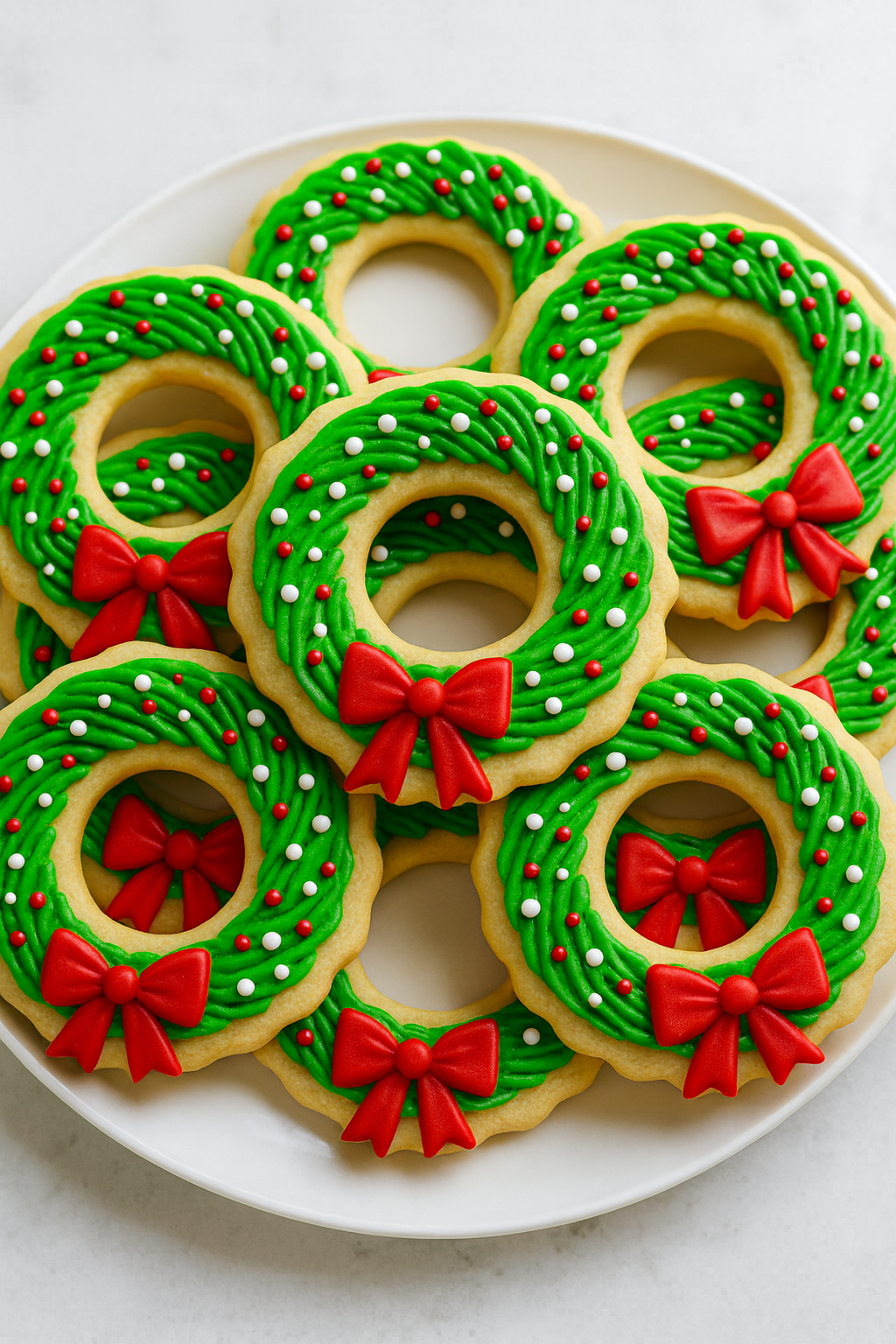
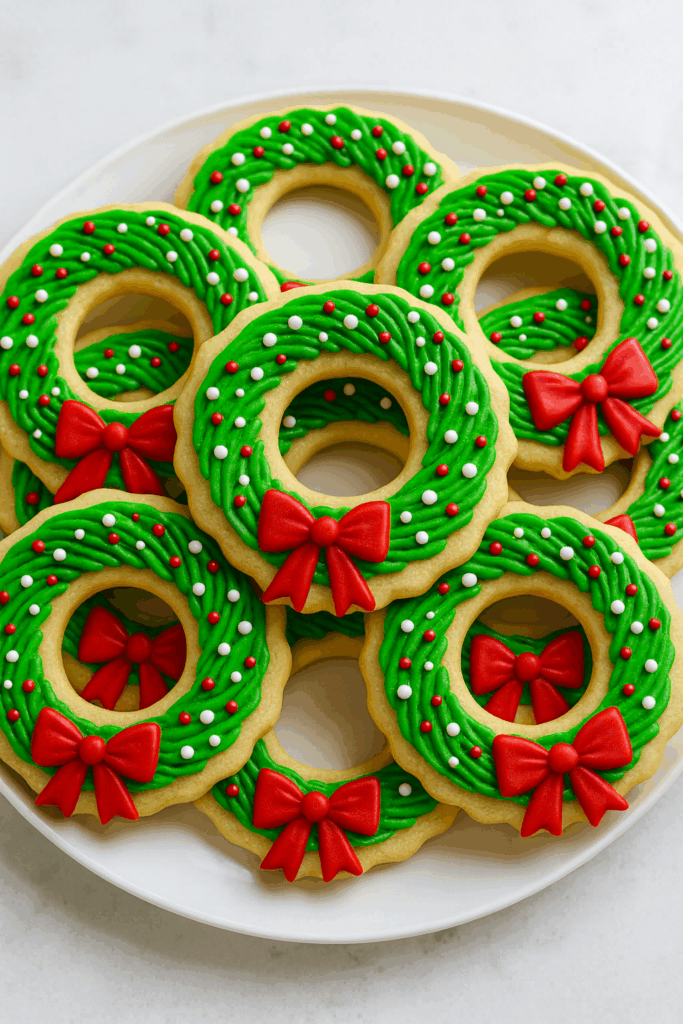
Few treats are as timeless and versatile as the sugar cookie. Simple, sweet, and endlessly customizable, sugar cookies have been a staple in kitchens for centuries. But where did they come from, and why do we love them so much?
A Brief History of the Sugar Cookie
Sugar cookies trace their roots back to the mid‑1700s in Nazareth, Pennsylvania. German settlers created what they called the “Nazareth Cookie,” a round, buttery treat made with sugar, flour, butter, eggs, and a touch of leavening. These early cookies were sturdy enough to hold their shape, yet soft enough to feel indulgent — the perfect balance. Over time, the recipe spread across North America, evolving into the sugar cookies we know today.
From holiday cut‑outs to everyday snacks, sugar cookies became a canvas for creativity. Their mild flavor makes them the perfect base for frosting, sprinkles, or even intricate royal icing designs.
Why Sugar Cookies Are So Beloved
- Easy to make: Just a handful of pantry staples.
- Versatile: Roll them, cut them, or shape them however you like.
- Decorating fun: From simple sprinkles to elaborate icing art, they’re a baker’s playground.
- Timeless tradition: They show up at holidays, birthdays, and bake sales everywhere.
Classic Sugar Cookie Recipe
Ingredients
- 1 cup (2 sticks / 227 g) unsalted butter, room temperature
- 1 cup (200 g) granulated sugar
- 1 large egg, room temperature
- 1 teaspoon vanilla extract
- ½ teaspoon almond extract
- 2 teaspoon baking powder
- 3 cups (375 g) all‑purpose flour
Instructions
- Preheat oven to 350° F. Line a baking sheet with parchment paper.
- In a stand mixer, cream butter and sugar on medium‑high speed for 1-2 minutes until smooth.
- With mixer on low, add egg, vanilla, and almond extract. Scrape sides as needed.
- Add baking powder, then flour (½ cup at a time) until fully incorporated.
- Drop dough onto a floured countertop. Roll out to ⅛-¼ inch thick.
- Cut into desired shapes and place on baking sheet.
- Bake 6-8 minutes, watching closely to avoid burnt edges.
- Cool on the sheet until firm enough to transfer to a rack.
Royal Icing Recipe
Ingredients
- 3 cups (360 g) powdered sugar, sifted
- 2 large egg whites or 4 teaspoons meringue powder + 6 tablespoons water
- 1 teaspoon lemon juice or vanilla extract (optional, for flavor)
Instructions
- In a large bowl, combine egg whites (or meringue powder + water) with powdered sugar.
- Beat with a hand mixer or stand mixer on low speed until sugar is incorporated.
- Increase speed to medium‑high and beat for 5-7 minutes, until icing is glossy and holds stiff peaks.
- Add flavoring (vanilla or lemon juice) if desired.
- Adjust consistency:
- Thicker icing (for outlines): Add more powdered sugar.
- Thinner icing (for flooding/filling): Add a few drops of water at a time.
Decorating Tips
- Outline first: Use thick icing to trace cookie shapes.
- Flood inside: Use thinner icing to fill the shapes smoothly.
- Color play: Divide icing into bowls and add food coloring for festive designs.
- Drying time: Let cookies sit uncovered for several hours (or overnight) until icing hardens.
 For your Thunder Bay Christmas twist, you could use royal icing to make:
- Sleeping Giant silhouettes with snowy white outlines.
- Pagoda cookies with red and green details.
- Aurora Borealis swirls using pastel food coloring.
Sugar cookies are more than just a treat – they’re a tradition. In Thunder Bay, they can also be a way to celebrate our landmarks, our lake, and our Northern Christmas spirit. Whether you keep them simple or turn them into edible art, they’re a reminder that sometimes the sweetest things in life are also the simplest.