 by
by
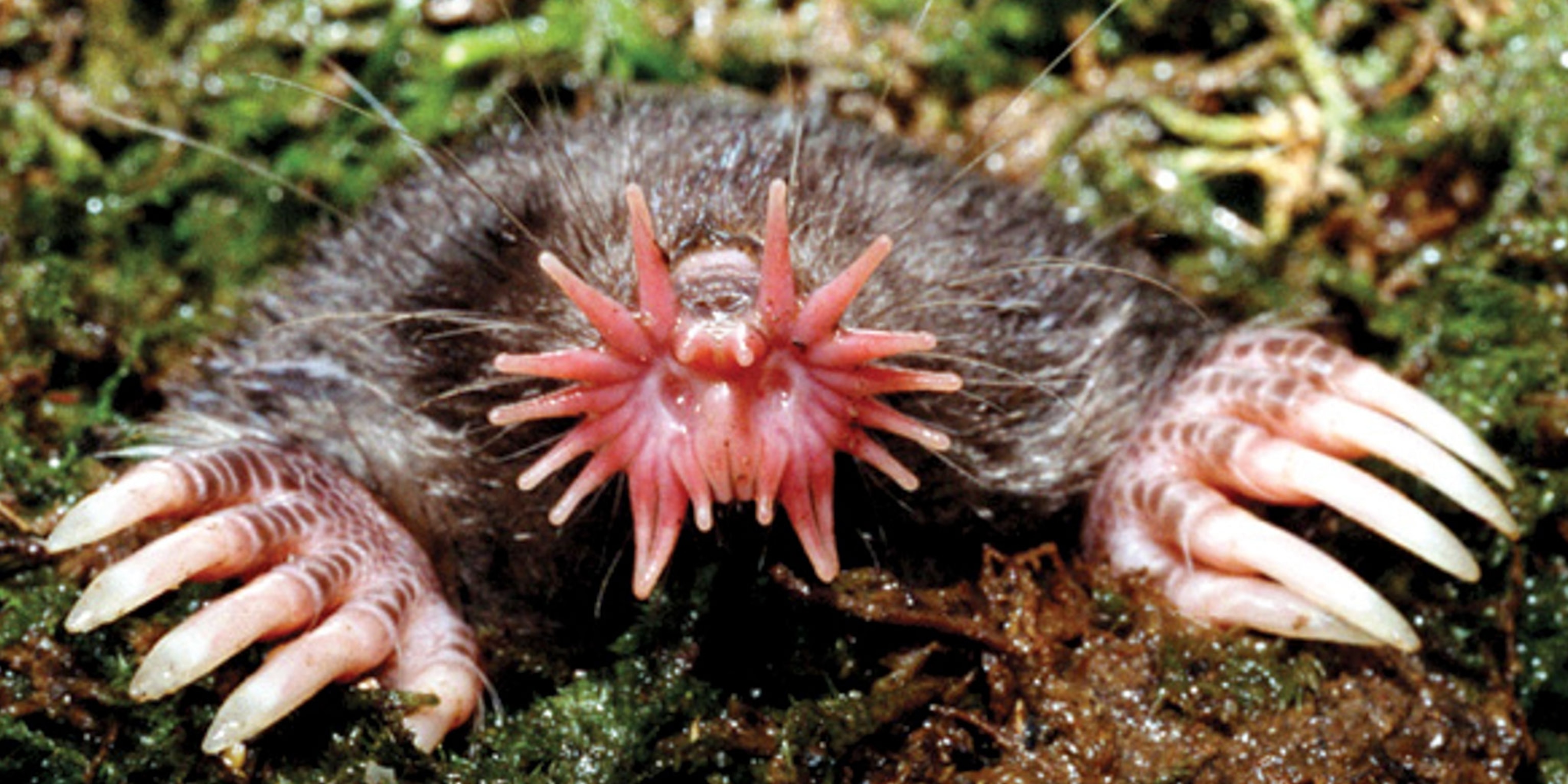
Our listener Mel told us that she saw this TERRIFYING lookingcreature in her backyard….scroll down to the the photos…if you dare!
Fun Facts About the Star-Nosed Mole
The star-nosed mole (Condylura cristata) is one of nature’s most fascinating and unique creatures. Native to North America, this small, burrowing mammal is easily recognizable by its distinctive star-shaped nose. Here are some fun and intriguing facts about this remarkable mole:
1. The Star-Nose: A Marvel of Evolution
The star-nosed mole gets its name from the 22 fleshy appendages that ring its snout, forming a star-like shape. These appendages are incredibly sensitive, containing over 25,000 minute sensory receptors known as Eimer’s organs. This makes the mole’s nose one of the most sensitive touch organs in the animal kingdom, allowing it to detect the smallest of prey in complete darkness.
2. Speedy Eater
The star-nosed mole is renowned for its eating speed. It holds the title for the world’s fastest forager, taking as little as 120 milliseconds to identify and consume its prey. This rapid feeding behavior helps the mole survive in its competitive underground environment.
3. Exceptional Swimmers
Unlike most moles, the star-nosed mole is an excellent swimmer. It can paddle through water with ease and is often found hunting for aquatic insects, small fish, and crustaceans. This adaptability allows it to thrive in both terrestrial and aquatic environments, such as marshes and wetlands.
4. Burrowing Experts
These moles are skilled diggers, creating complex tunnel systems underground. Their powerful front claws allow them to excavate soil efficiently, creating networks of tunnels that can span up to 300 feet. These burrows provide safe havens from predators and access to their primary food sources.
5. Unique Respiratory Adaptations
The star-nosed mole has adapted to its low-oxygen environment by developing a high tolerance for carbon dioxide. This adaptation enables it to thrive in poorly ventilated burrows and underwater for extended periods.
6. Poor Eyesight, Incredible Sense of Touch
Star-nosed moles have very poor eyesight, but they more than compensate for this with their extraordinary sense of touch. Their star-shaped nose allows them to detect subtle vibrations and textures, enabling them to navigate and hunt effectively in complete darkness.
7. Social Creatures
Unlike many other mole species, star-nosed moles are somewhat social. They often share their burrows with other moles and have been observed engaging in social behaviors. This social structure may provide added protection and efficiency in hunting and tunneling.
8. Breeding and Lifecycle
Female star-nosed moles give birth to litters of 2 to 7 young after a gestation period of about 45 days. The young are born blind and hairless but develop quickly, becoming independent within a month. They reach sexual maturity at around 10 months old.
9. A Unique Foraging Technique
When hunting, star-nosed moles use a unique technique called “mole snapping.” They rapidly tap their star-shaped nose on the ground, detecting prey with incredible speed and precision. This behavior allows them to consume a wide variety of small invertebrates and insects.
10. Ecosystem Role
Star-nosed moles play a crucial role in their ecosystems. By preying on insects and small invertebrates, they help control pest populations. Their burrowing activity also aerates the soil, promoting healthy plant growth and nutrient cycling.
The star-nosed mole is a testament to the wonders of evolution, showcasing how unique adaptations can lead to remarkable survival strategies. Whether it’s their lightning-fast foraging skills, exceptional sensory capabilities, or their role in the ecosystem, these moles continue to intrigue and amaze scientists and nature enthusiasts alike.