
 by admin
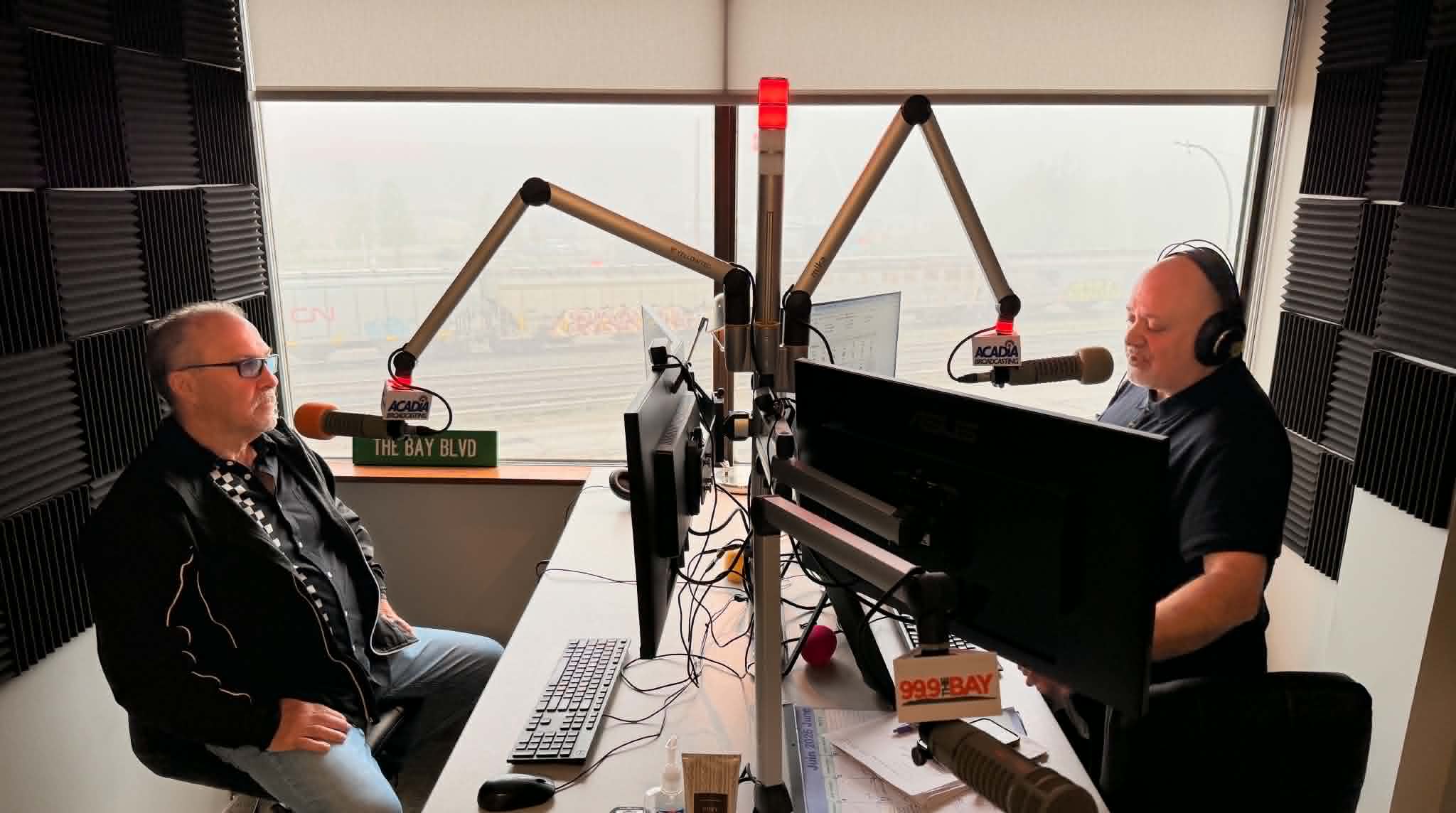
Northwestern Ontario’s highway safety crisis took centre stage on Mornings In The Bay, 99.9 The Bay w/ Danny Foresta. The President of the Northwestern Ontario Municipal Association (NOMA) and Marathon Mayor Rick Dumas joined Danny in the studio for the first time — and he didn’t hold back on the urgency of fixing Highways 11 and 17, the lifelines that connect our region to the rest of Canada.
Dumas says this conversation has been building for decades. In fact, he’s been on the NOMA board for nearly 25 years, and the association has been pushing governments of all stripes to improve the Northern Highway Corridor. As he put it, “NOMA’s been working on the highway systems for many, many years” and despite some investment, “we just don’t believe it’s enough.”
The tipping point came last December, when NOMA teamed up with its northeastern counterpart, FONOM (Federation of Northern Ontario Municipalities), representing 110 municipalities. Together, they headed to Ottawa for “Hill Days,” meeting MPs and laying out the reality: too many fatalities, too many closures, and too much economic disruption caused by single‑lane highways across the North. “Closures are a big thing for the economic viability of Canada and Northern Ontario,” Dumas said.
Since then, momentum has grown. Meetings with Ontario’s Minister of Transportation and Minister of Northern Development led to a joint provincial‑federal push to address the Trans‑Canada Highway system. In March, the province formally asked Ottawa to partner on a long‑term fix — and NOMA is acting as the go-between for all levels of government.
Dumas says the message is simple: Northern Ontario needs divided highways. Whether it’s full twinning or “2+1” systems, the goal is separation — because right now, drivers are often just “30 centimeters between you and an oncoming transports.”
He points to Highway 11 as a priority for full twinning from North Bay to Manitoba, with Highway 17 requiring a mix of twinning and 2+1 upgrades. And he’s confident it can happen — especially if Canada treats highway safety as part of national security. As he noted, the federal government is planning to spend $1.2 trillion on defense by 2035. “Let’s take some of those military spends and put them into our highway corridor,” he said.
The commercial stakes are huge. Transport traffic is heavy and growing, and updated numbers from the Ministry of Transportation are expected soon. Dumas shared the story of a former transport driver who always chose Highway 11 in winter because it was safer — a reminder – they’re real‑world decisions affecting safety and commerce every day.
Dumas also recently met with Prime Minister Mark Carney, presenting him with NOMA’s briefing book and reinforcing the need for federal‑provincial cooperation. While he doesn’t expect the PM to know every bend in the road, he does expect Ottawa to recognize that the Trans‑Canada Highway is a national responsibility. “Let’s have the federal and provincial governments come together and work on that,” he said.
For Dumas, this is personal. Marathon residents regularly travel hundreds of kilometres to Thunder Bay for medical care. Drivers face fog, snow, transports, and narrow lanes — and even he admits that after 40 years on the road, “there’s many times my knuckles get white.”
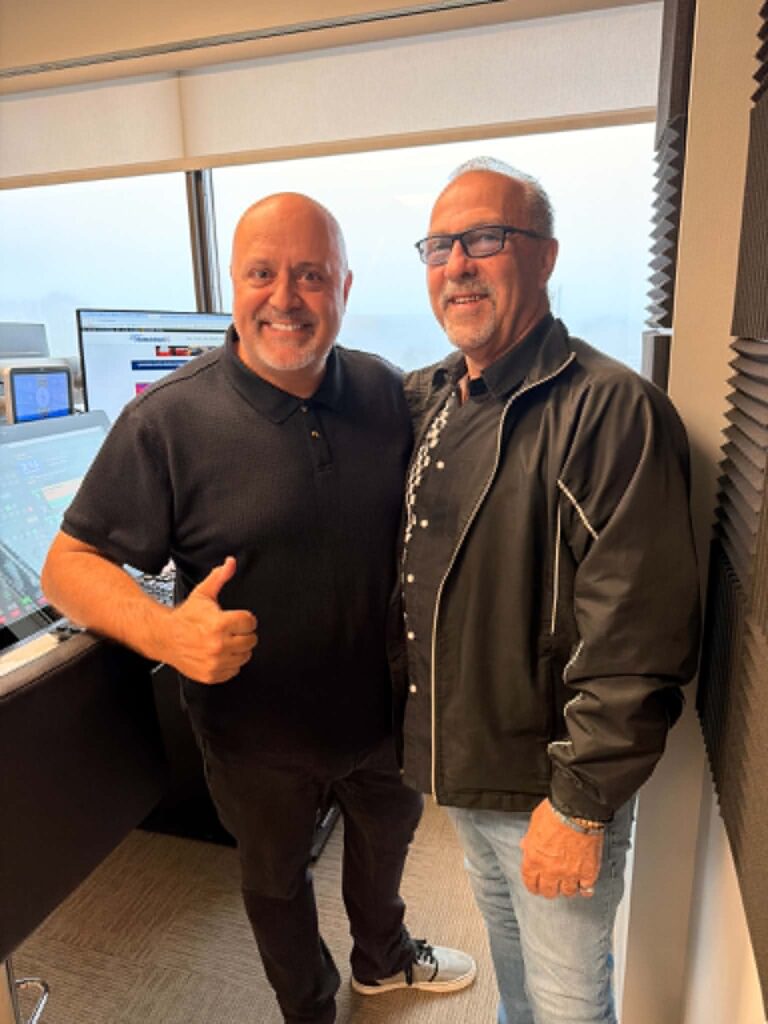
The bottom line? Safety first. NOMA, FONOM, and northern municipalities are aligned. The conversations are happening. The pressure is on. And as Dumas says, the work won’t stop until the funding is secured and the highways are finally brought up to national standards.
“We’re all on the same page. We just have to figure out how do we get the money identified and committed to those highway systems.”